Creating a home office that is both cozy and productive can have a big impact on how you work and feel throughout the day. Whether you’re working remotely full-time or just need a dedicated spot for occasional tasks, designing a comfortable workspace helps reduce stress and improve focus. Here are practical tips to help you build a home office that feels inviting and supports your best work.
Choose the Right Location
Start by picking a spot that suits your work style and daily routine. Ideally, your home office should:
– Be quiet and away from heavy foot traffic
– Have access to natural light to improve mood and energy
– Offer enough space to fit your desk and any necessary equipment
– Have good ventilation to keep the air fresh
Whether it’s a spare bedroom, a corner in the living room, or a nook near a window, make sure the area feels comfortable and dedicated to work.
Invest in Comfortable and Functional Furniture
Your furniture can make or break your home office comfort. Focus on these key pieces:
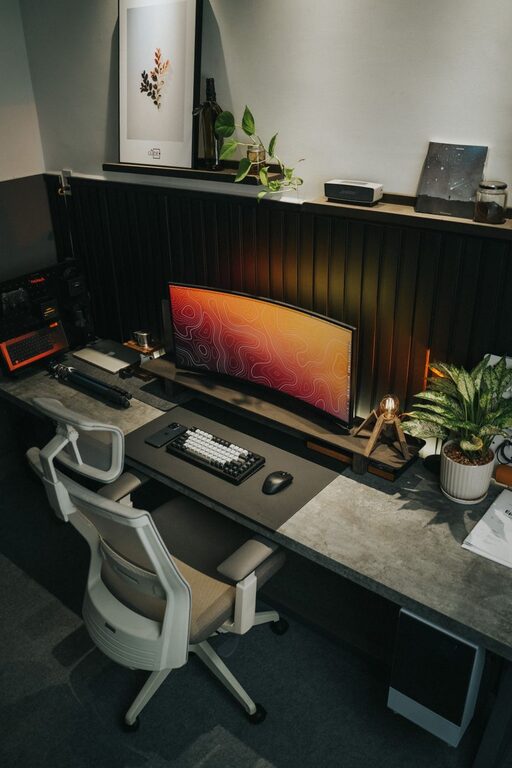
– Ergonomic chair: A chair with adjustable height, back support, and cushioning helps maintain good posture and prevent discomfort.
– Sturdy desk: Choose a desk that fits your equipment and allows ample workspace. Adjustable desks that let you switch between sitting and standing are a plus.
– Storage solutions: Shelves, drawers, or filing cabinets keep your supplies organized and off your desk.
Comfortable furniture supports productivity by reducing distractions caused by discomfort or clutter.
Optimize Lighting for Comfort and Focus
Good lighting is essential, especially if you spend long hours at your desk.
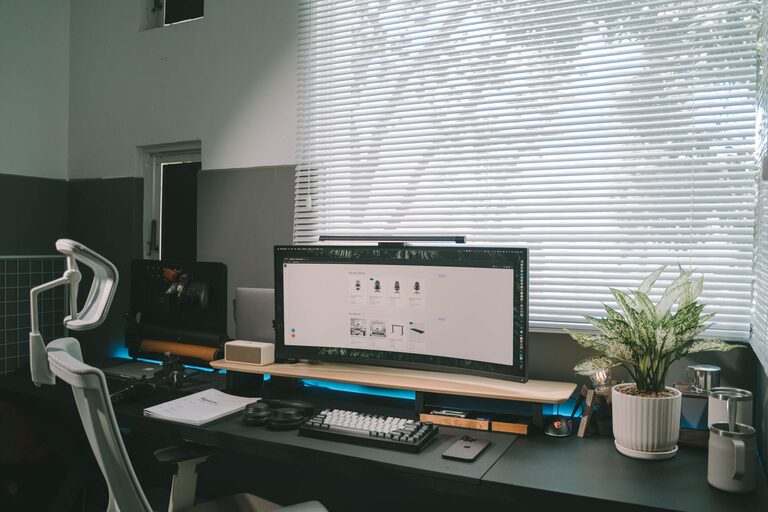
– Natural light: Position your desk near a window if possible. Natural daylight boosts energy and reduces eye strain.
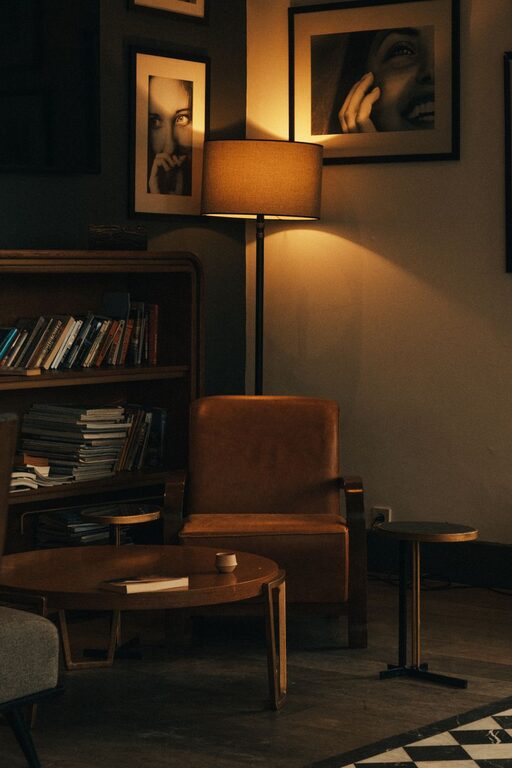
– Task lighting: Use a desk lamp with adjustable brightness to focus light on your work area. Avoid harsh overhead lighting.
– Avoid glare: Position screens to minimize reflections from windows or lamps.
Proper lighting creates an inviting atmosphere and helps you stay focused.
Personalize Your Space
Adding personal touches makes your home office feel cozy and motivating. Consider:
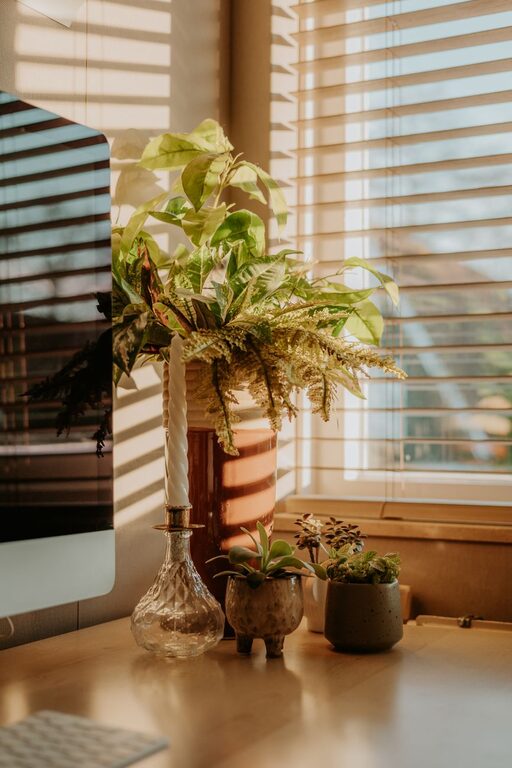
– Plants: Small indoor plants add greenery and improve air quality.
– Artwork or photos: Visual elements that inspire or relax you can boost creativity.
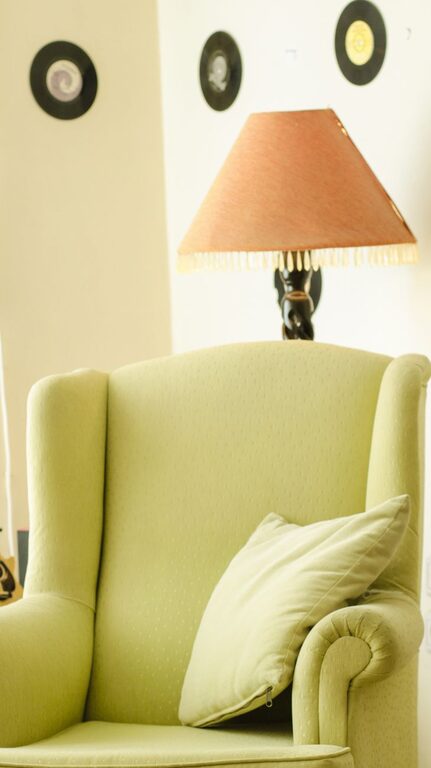
– Decorative items: Choose meaningful or calming objects, but avoid clutter.
– Color scheme: Soothing colors like soft blues or greens promote calm, while brighter accents can energize the room.
Personalization helps make your workspace uniquely yours, enhancing comfort and motivation.
Organize to Minimize Clutter
A tidy workspace reduces distractions and stress. Try these organizing tips:
– Use containers: Desk organizers, trays, or baskets keep supplies grouped and accessible.
– Cable management: Use clips or sleeves to keep cords neat and prevent tangling.
– Digital organization: Keep your computer desktop and files well arranged to speed workflow.
– Routine cleaning: Spend a few minutes each day tidying your desk to maintain order.
An organized space supports mental clarity and efficiency.
Manage Noise for Better Concentration
If your home environment is noisy, controlling sound can help you focus:
– Noise-cancelling headphones: These are great for blocking distractions.
– Soft furnishings: Rugs, curtains, and cushions absorb sound and reduce echoes.
– White noise machines: Background sounds like gentle rain or static can mask disruptive noises.
– Close doors: Isolating your workspace can help keep noise at bay.
A quieter environment makes it easier to concentrate and accomplish tasks.
Create Boundaries Between Work and Relaxation
To maintain a healthy work-life balance, it’s important to separate work from relaxation:
– Set physical boundaries: Use a room divider or clearly designate your office space.
– Establish a routine: Define work hours and stick to them. Avoid working in spaces dedicated to rest, like your bedroom.
– End-of-day rituals: Close your laptop, organize your desk, and step away from your office to signal the end of work time.
Clear boundaries help you recharge and stay productive during work hours.
Incorporate Technology That Supports Your Workflow
Use technology to enhance efficiency and comfort in your home office:
– Reliable internet: Ensure a strong, stable connection to avoid interruptions.
– Quality peripherals: Invest in a good keyboard, mouse, and monitor for comfort and better performance.
– Productivity apps: Use calendars, to-do lists, or project management tools to stay organized.
– Backup power: Consider surge protectors or battery backups to protect equipment and prevent data loss.
The right technology helps you work smoothly and comfortably.
Take Breaks and Move Regularly
Finally, remember that productivity thrives with regular breaks:
– Follow a schedule: Take short breaks every hour to rest your eyes and stretch.
– Move around: Stand up, walk, or do simple exercises to boost circulation and reduce tension.
– Hydrate and snack: Keep water and healthy snacks nearby to maintain energy.
A routine that includes movement prevents fatigue and refreshes your mind.
—
Designing a home office that balances coziness and productivity is key to enjoying your work and doing it well. By thoughtfully selecting your space, furniture, lighting, and organization, and adding personal touches, you can create an environment that feels just right. Remember to take care of your physical and mental comfort, and your home office will become a place you look forward to visiting every day.
About the Author