
Creating a home workspace that is both relaxing and productive can significantly improve your work-from-home experience. Whether you are a remote employee, freelancer, or managing household tasks, the environment where you spend your time matters a lot. In this post, we’ll explore simple yet effective tips to help you set up a workspace that supports focus, creativity, and well-being.
Why a Dedicated Workspace Matters
Having a designated area to work at home helps your mind switch into “work mode.” It separates professional activities from your personal life, reduces distractions, and encourages better work habits. A well-organized and comfortable workspace can reduce stress and boost motivation, making it easier to accomplish your daily goals.
Choosing the Right Location
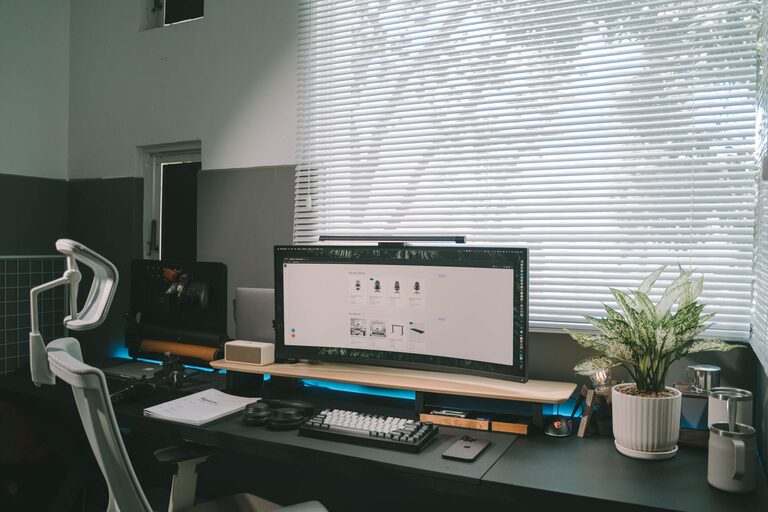
Consider natural light
Natural light can lift your mood and improve focus. Try to place your desk near a window where you can enjoy daylight without glare on your screen. If natural light isn’t an option, invest in good quality, adjustable artificial lighting to reduce eye strain.
Minimize distractions
Select a quiet spot where household noise and interruptions are limited. If privacy is a challenge, consider noise-canceling headphones or simple room dividers to create a boundary between your workspace and the rest of your home.
Furniture and Ergonomics
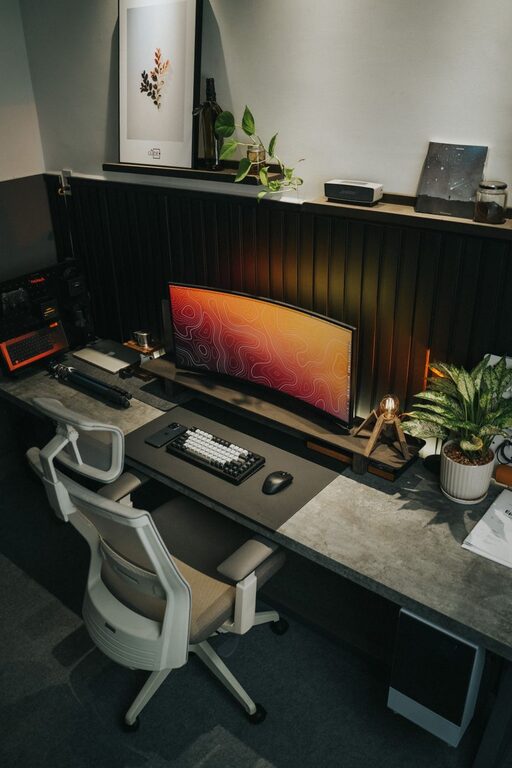
Comfortable seating
Invest in a chair that supports good posture by providing lumbar support and adjustable features. Sitting comfortably prevents back pain and keeps you alert.
Desk height and arrangement
Your desk should allow you to work with your arms at a 90-degree angle and feet flat on the ground. Keep frequently used items within easy reach to avoid unnecessary stretching or twisting.
Organizing Your Workspace
Declutter regularly
A clean desk promotes clarity of thought. Remove unnecessary items and organize cables, papers, and office supplies to keep your workspace tidy.
Use storage solutions
Shelves, drawers, and desk organizers help you keep essentials accessible without overcrowding your work area. Label storage bins to easily find what you need.
Personalizing Without Overdoing It
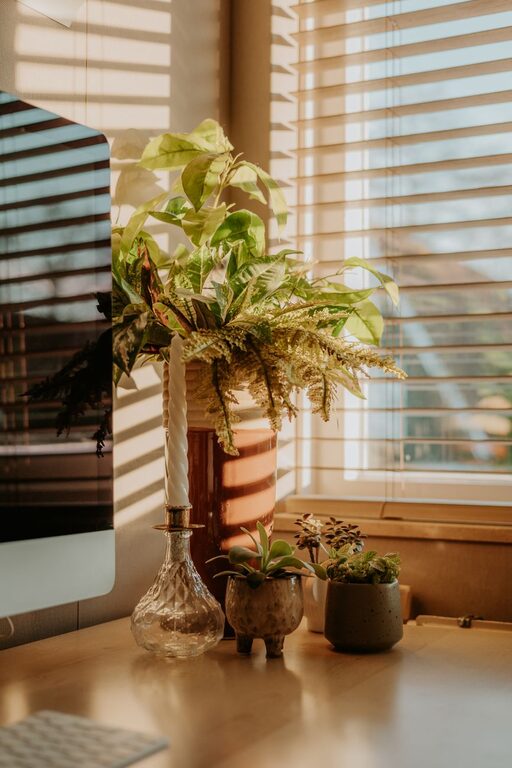
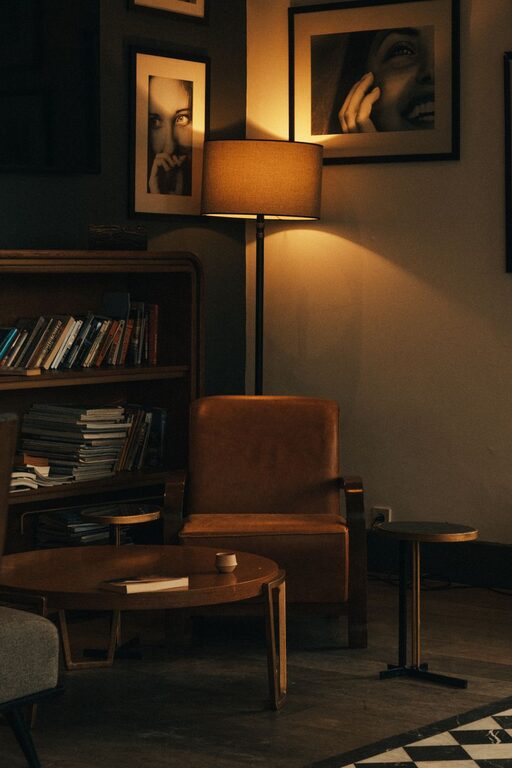
Add a few personal touches like a small plant, artwork, or a photo that inspires you. These elements can create a welcoming atmosphere while avoiding clutter that distracts from tasks.
Incorporating Relaxation Elements
Take breaks away from the desk
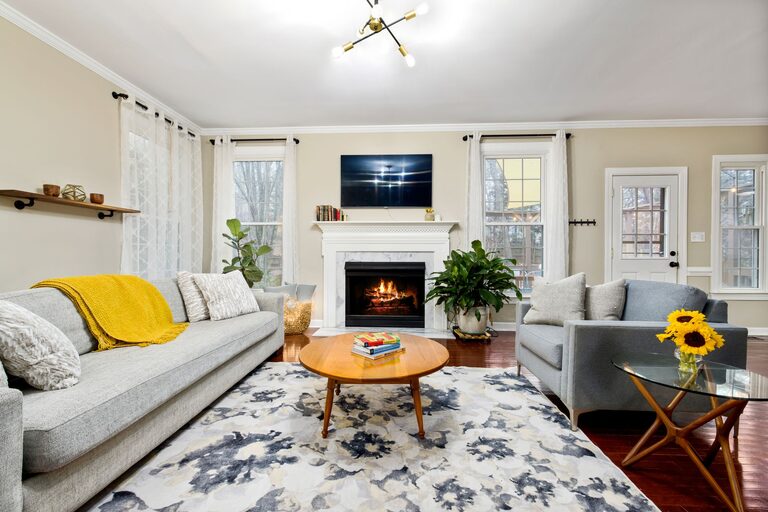
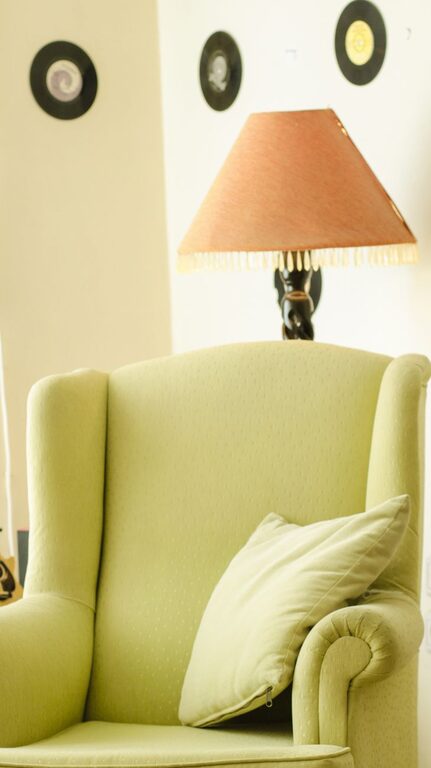
Set regular intervals to stand, stretch, or walk around. Consider a comfortable chair or cushion nearby where you can relax for a few minutes during breaks.
Use calming colors
Soft, neutral tones or colors like blue and green are known to promote relaxation. Choose wall colors and accessories that help create a peaceful ambiance.
Technology Tips
Optimize your tech setup
Reliable internet and updated software ensure smooth working conditions. Use cable management tools to keep cords organized and out of the way.
Limit screen glare and blue light
Position screens to avoid direct reflections and consider blue light filters or glasses for eye comfort if you spend long hours looking at screens.
Creating a Routine
Establish a consistent daily schedule that includes defined start and end times. This routine helps you maintain a healthy work-life balance and reduces feelings of burnout.
Final Thoughts
Designing a relaxing and productive home workspace doesn’t have to be complicated or expensive. By focusing on comfort, organization, and a calm atmosphere, you create a place where you can thrive both professionally and personally. Small changes can make a big difference in your workday experience.
Try out these tips and adjust your space until it feels just right for you!
About the Author