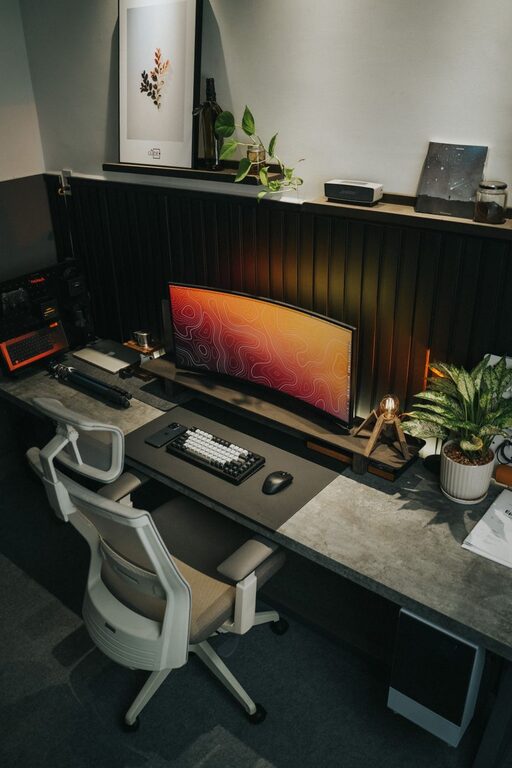

Creating a workspace that is both functional and clutter-free can make a significant difference in how you approach your daily tasks. A tidy area helps minimize distractions, improves focus, and boosts overall productivity. Whether you work from home or in an office, organizing your workspace doesn’t have to be overwhelming. In this post, you’ll find practical tips to help you maintain a clutter-free environment that supports your best work.
Why a Clutter-Free Workspace Matters
Before diving into the how-to, it’s worth understanding why keeping your workspace organized is so important. Clutter can:
– Reduce concentration by distracting your mind
– Increase stress and feelings of being overwhelmed
– Waste time when searching for items
– Limit your creativity and motivation
By intentionally arranging your workspace, you create an environment that encourages efficiency and calm.
Step 1: Clear Everything and Start Fresh
Begin by emptying your entire desk or work area. This means removing everything—papers, office supplies, digital devices, and personal items. Use this opportunity to clean the surface thoroughly.
With a blank canvas, you can rethink how and where each item should go. This fresh start is crucial for reevaluating what you truly need within easy reach.
Step 2: Declutter and Prioritize Essentials
Once everything is out in the open, sort your items into categories:
– Keep: Items you regularly use and need close by.
– Store: Things used occasionally but not daily.
– Discard/Donate: Broken items, duplicates, or things you no longer need.
Limit the number of items on your desk to only those that serve a clear purpose. For example, your computer, a notebook, and a pen might be necessary, but it’s easy to accumulate extra gadgets or supplies that just add clutter.
Step 3: Organize Supplies and Tools
To keep your workspace tidy, invest in organizers such as:
– Drawer dividers for pens, clips, and small office tools
– File holders or trays for important documents
– Cable management solutions like clips or sleeves to avoid tangled cords
Assign a specific place for each type of item. When every tool has its home, putting things away becomes easier and faster.
Step 4: Optimize Desk Layout
Think about how you work and arrange your desk accordingly:
– Position your computer or laptop at a comfortable viewing angle and height.
– Keep frequently used items within arm’s reach to avoid unnecessary movement.
– Place secondary supplies or reference materials on shelves or in drawers.
Leave enough clear space on your desk for paperwork or brainstorming to prevent it from becoming a dumping ground.
Step 5: Use Digital Tools to Reduce Paper
Papers can quickly clutter a workspace. To reduce this:
– Digitize receipts, notes, and important documents using scanning apps.
– Store files in organized folders on your computer or cloud services.
– Use note-taking or task management apps to keep track of ideas and to-dos.
Going paperless not only saves space but also makes information easier to find.
Step 6: Maintain Your Workspace Daily
A clutter-free desk requires regular upkeep. Set aside a few minutes at the end of each day to tidy your area:
– File or discard any papers you’ve accumulated.
– Put away tools and supplies.
– Wipe down surfaces to keep things fresh.
These small habits prevent clutter from building up over time.
Step 7: Personalize Mindfully
Adding personal touches can make your workspace more inviting, but be mindful not to overdo it. Select a few meaningful decor items—a plant, framed photo, or artwork—that inspire you without creating distractions.
Bonus Tips for Staying Organized
– Use vertical space: Shelves, pegboards, or wall organizers help free up desk area.
– Label storage containers: This helps quickly identify contents and keeps things orderly.
– Limit multitasking spots: Avoid dedicating your desk to too many different tasks; use separate zones if possible.
– Regularly review your setup: Occasionally reassess your workflow and adjust your organization to better fit your needs.
Final Thoughts
A clutter-free workspace is not just about aesthetics—it’s about creating an environment where you can work comfortably, focus fully, and be productive. By following these tips, you can build a workspace that supports your best efforts and helps you feel more in control of your day. Start small, stay consistent, and enjoy the benefits of an organized work area!
About the Author